

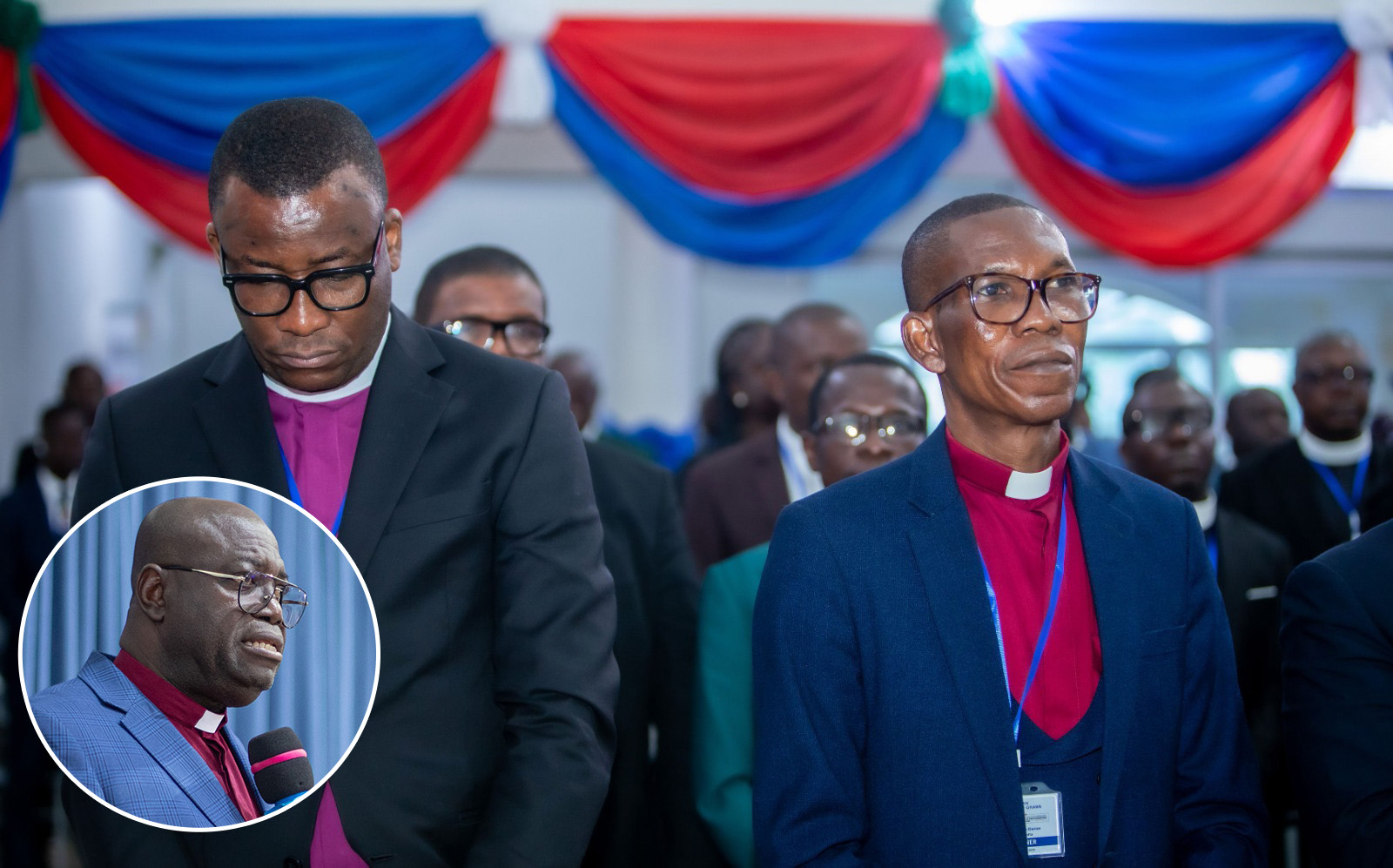

The Moderator of the General Assembly of the Presbyterian Church of Ghana, Rt. Rev. Dr. Abraham Nana Opare Kwakye, has called on Presbyteries worldwide to intensify training for church leaders on responsible social media use, warning that unregulated online activity poses growing risks to the church’s unity, discipline, and public image.
Speaking at the 26th General Assembly at the Ramseyer Training Centre, Abetifi–Kwahu, the Moderator acknowledged the transformative role of social media in modern ministry.
He noted that platforms such as Facebook, YouTube, and WhatsApp have expanded the church’s reach, and created what he described as a “church without walls.” These platforms, he said, now serve as vital tools for participation, prayer-sharing, and community-building, especially for members unable to attend in person.
However, he cautioned that the same platforms carry significant dangers if used without discernment. He highlighted the spread of misinformation, false doctrines, heated rhetoric, and reputational harm as major threats. Unrestrained posting of church activities and online banter among members, he warned, can undermine Presbyterian discipline.
The Moderator also expressed concern about the impact of excessive social media use on fellowship and youth development, noting that young people are particularly vulnerable to compulsive use and exposure to inappropriate content. Such habits, he said, weaken communal bonds and encourage individualism.
To address these challenges, he urged Presbyteries to organise regular training sessions for church leaders on verifying information, recognising AI‑generated misinformation, and applying sound judgment before sharing content online. He stressed the need for vigilance to prevent uncritical use of online material that may portray the PCG as confused or divided.
The Moderator’s call forms part of a broader appeal for the church to embrace technology responsibly while safeguarding its values, unity, and witness in an increasingly digital world.
By Jerome Otchere
