

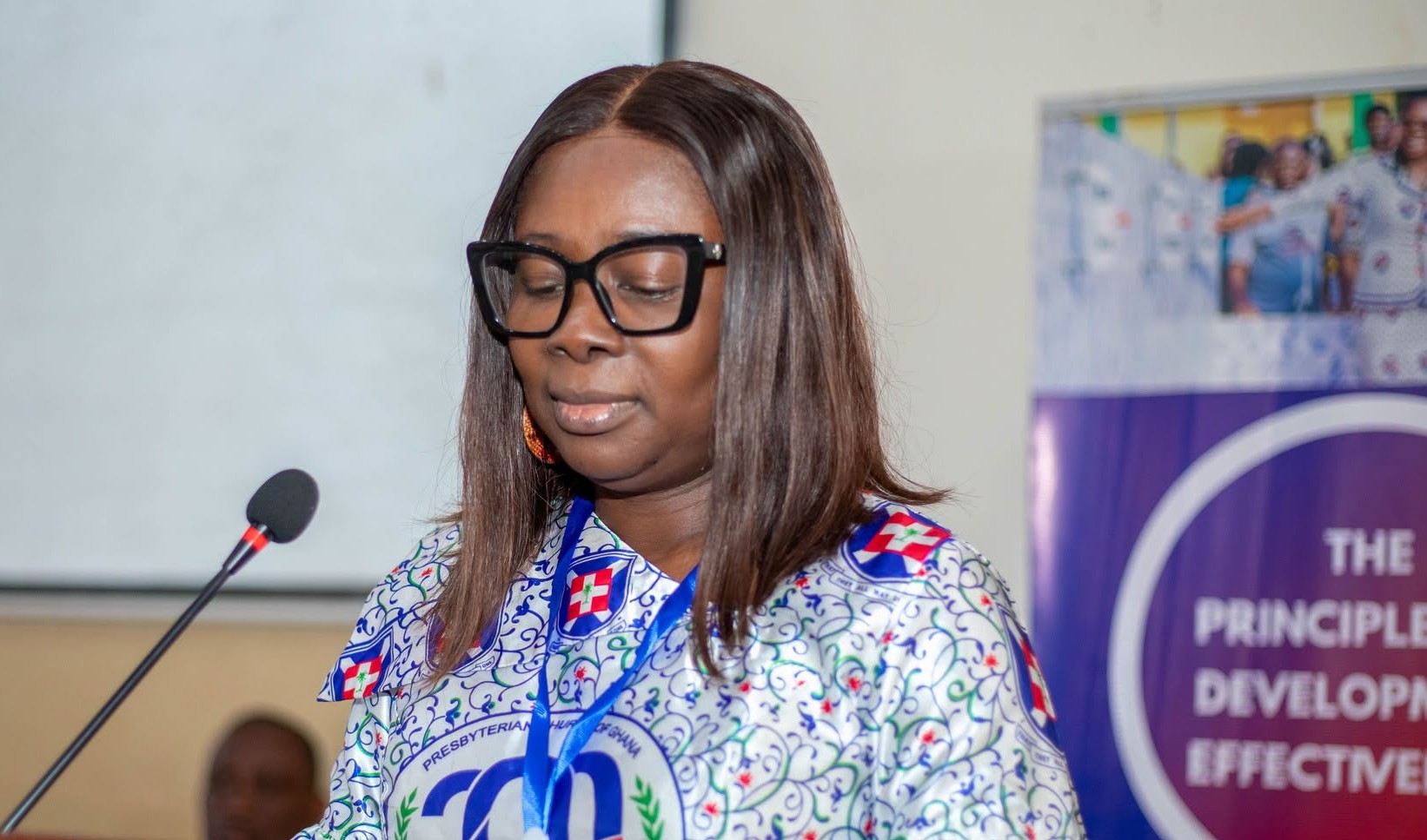

The 7th Development and Social Services (DSS) Consultation has, for me, been more than just another church event. As I listened to the presentations, read the reports, and edited the news stories emerging from the event, I was reminded that the ministry of the Presbyterian Church of Ghana (PCG) extends far beyond worship services and church buildings.
Anyone who comes into close contact with the work of the General Assembly Office will discover this reality. The PCG’s witness is expressed not only through proclamation but also through hospitals, farms, schools, training institutions, and community development initiatives. The DSS Consultation reinforces this truth. National DSS Director, Mrs. Teiko Sabah and her team must keep the good work.
What struck me most was the consistency of purpose running through the various presentations and reports. Whether the discussion centred on healthcare, agriculture, youth empowerment, or social intervention, the focus remained the same: improving lives and protecting human dignity.
The church’s appeal for the completion of the stalled 60-bed Accident and Emergency Centre at Dormaa-Ahenkro and the expansion of the Presbyterian Psychiatric Hospital in Bolgatanga underscored its willingness to speak on behalf of communities whose needs might otherwise go unnoticed. These are not merely infrastructure projects. They represent hope for patients, families, and vulnerable individuals who depend on access to quality healthcare.
Equally inspiring was the church’s support for government initiatives such as the Free Primary Healthcare Programme and Mahama Cares. It demonstrated that the church commends policies that benefit society while continuing to advocate for areas that require further attention. As a Church, we do not only point out challenges; we also acknowledge and encourage positive interventions that improve people’s lives.
The church’s agricultural work perhaps offers the clearest glimpse into the future. The launch of Agenda 20,000 Acres signals a bold shift from dependency to empowerment. The vision of mobilising church and community lands to create opportunities for young people is a practical response to unemployment, food insecurity, and rural poverty.
It reminds us that the church’s mission must not only relieve hardship but also create pathways to sustainable livelihoods. The challenge facing Ghana’s youth was another recurring theme. Concerns about substance abuse, unemployment, and skills development underscored the urgency of investing in the next generation.
For me, the call for stronger youth-focused programmes is directed not only at the church but also at government, development partners, and the private sector.
As the consultation draws to a close, the real work begins and indeed continues. The value of the gathering cannot be measured by the speeches or the reports presented, but by the actions that follow. The hospitals must be strengthened. The farms must be cultivated. Young people must be empowered. Partnerships must be deepened.
Above all, the consultation reminded me that the PCG’s greatest heritage is not its buildings or institutions, but its enduring commitment to serving God by serving humanity, for example, through the DSS. That heritage remains worth celebrating and, more importantly, worth building upon.
By Jerome Otchere
