

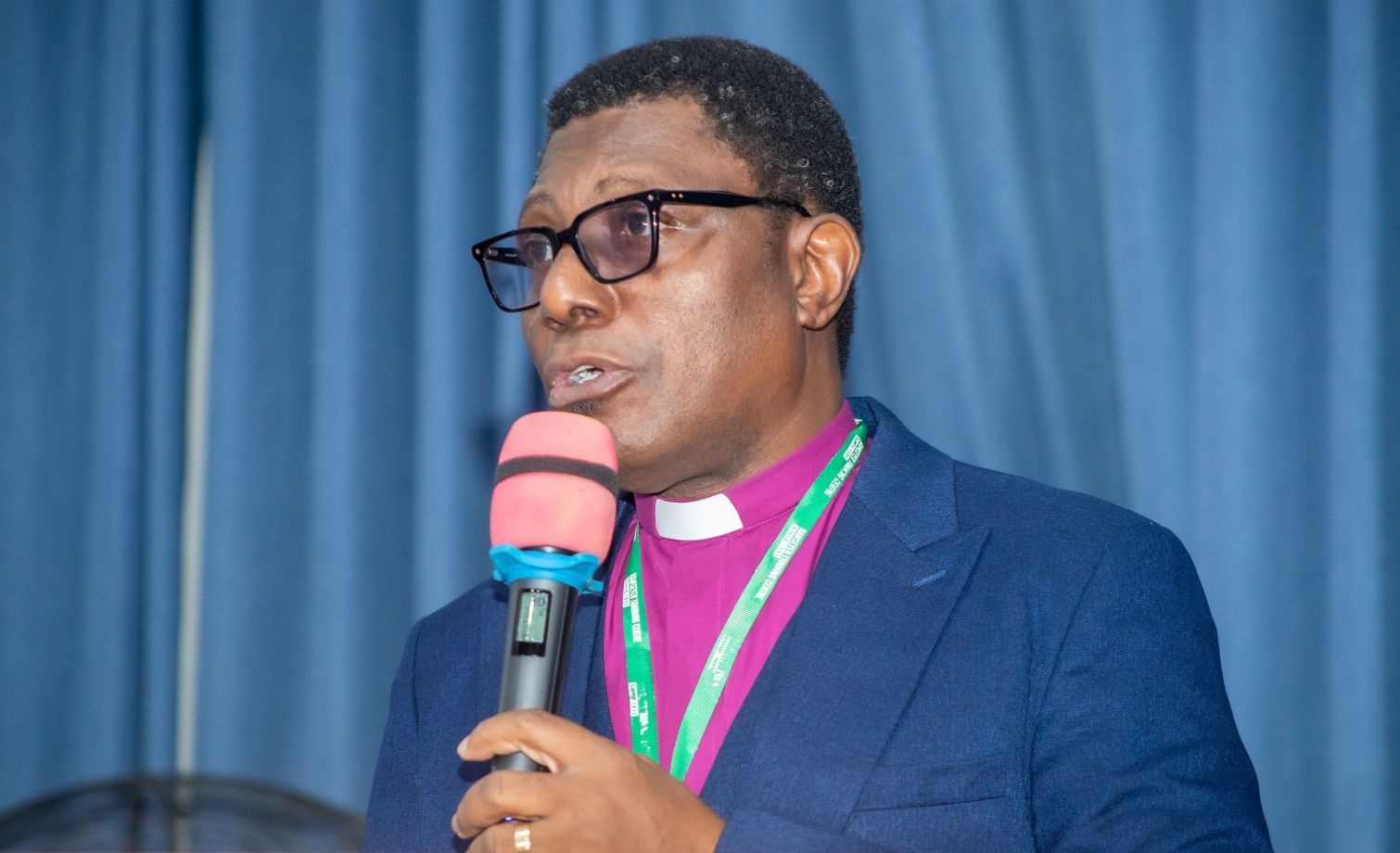

Churches that experience sustained growth have one characteristic in common: intentional discipleship. This was the conclusion shared by Rev. Gideon Buernor Puplampu, the Guest Speaker at the just ended 22nd National Evangelism and Church Growth Consultation.
The Dangme-Tongu Presbytery Chaiperson challenged church leaders to prioritise mentoring and nurturing believers if the Presbyterian Church of Ghana is to achieve lasting growth. Rev. Puplampu said discipleship must go beyond teaching doctrine and address every aspect of a believer’s life, including social relationships, character formation and spiritual maturity.
“This discipling must be full dimensional,” he stressed, urging participants to begin by intentionally investing in at least one person’s spiritual growth. If we leave here and every single person sitting here goes to start with just one, I will be the happiest man and most grateful to God,” he said.
Quoting from 2 Timothy 2, Rev. Puplampu described discipleship as a continuous cycle in which mature believers train others who, in turn, become capable of teaching and mentoring new disciples.
“We are strong and courageous, and then what we have learned, we select fit people and pass it to them, and they will be qualified to also teach others,” he explained. According to him, research conducted about a decade ago on churches that had consistently grown over a 10-year period revealed a common denominator.
“All churches that had been consistently growing for 10 years had one thing in common: there was personal, intentional discipleship,” he stated. Rev. Puplampu warned that churches often become distracted by programmes, activities and gifts while neglecting the core task of nurturing believers.
“Everything else in the church will have to be done using this vehicle, the vehicle of nurturing in Christ,” he said. Rev. Puplampu therefore encouraged ministers and church leaders to recommit themselves to raising disciples who can, in turn, disciple others, describing the process as essential to the life and future growth of the Church.
By Jerome Octhere
